


 |

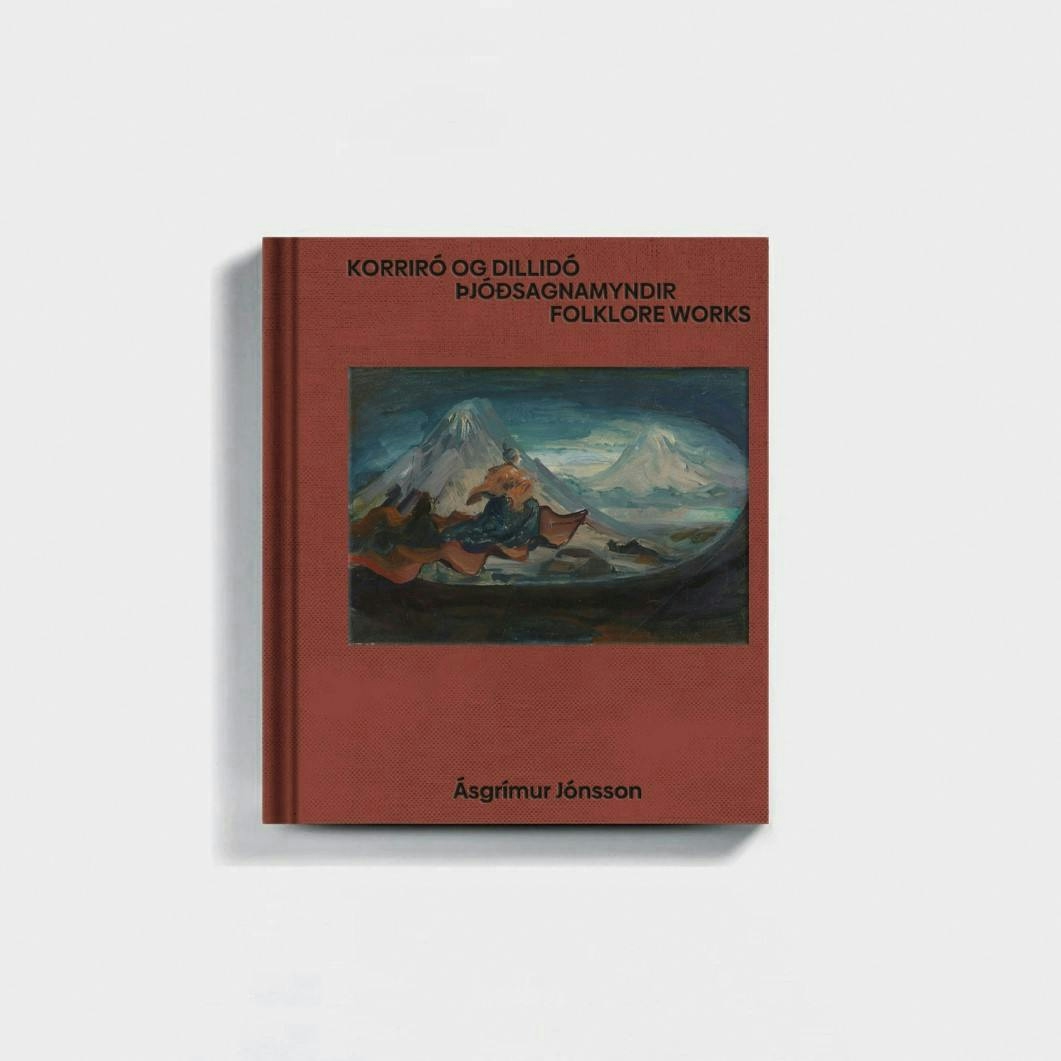
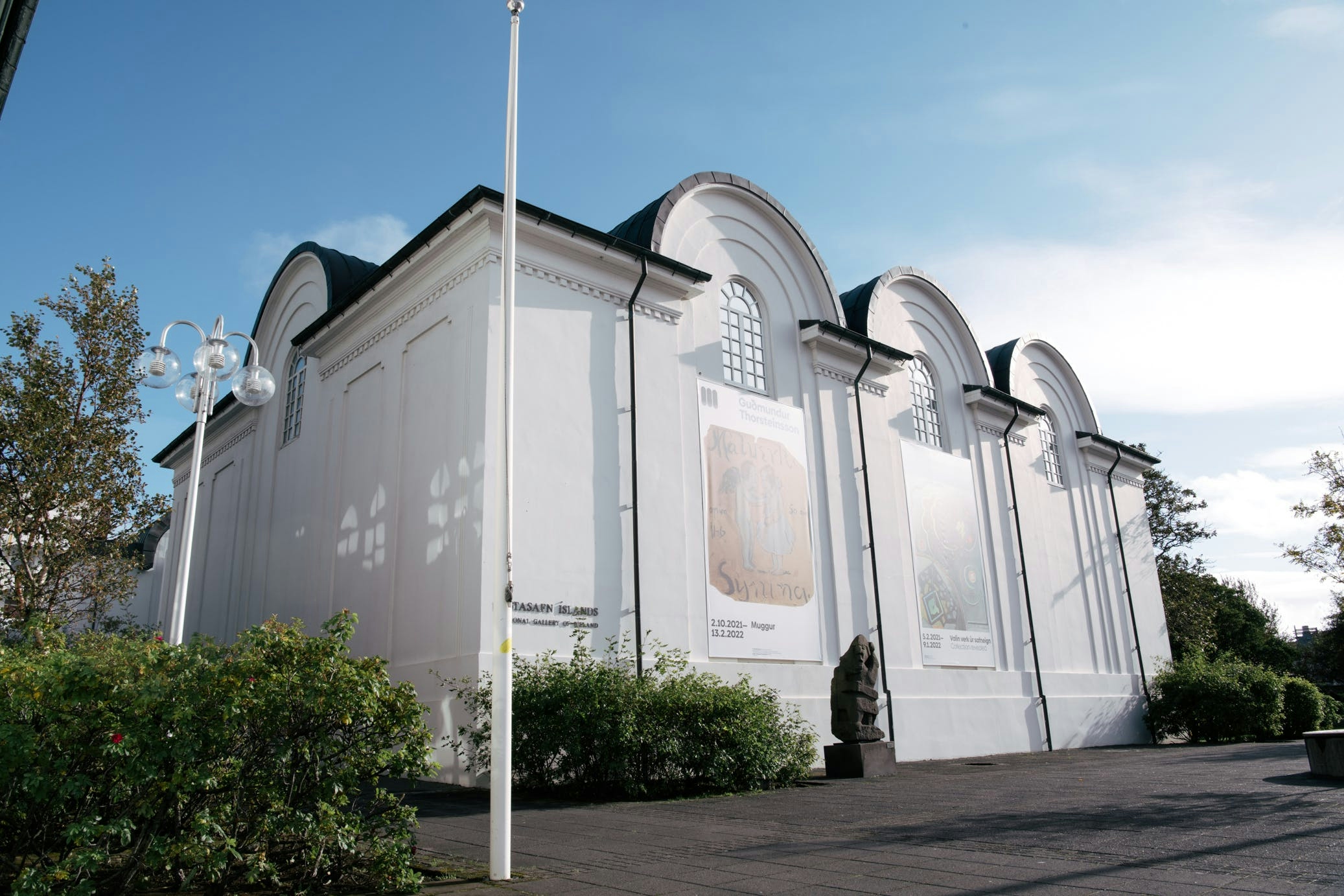
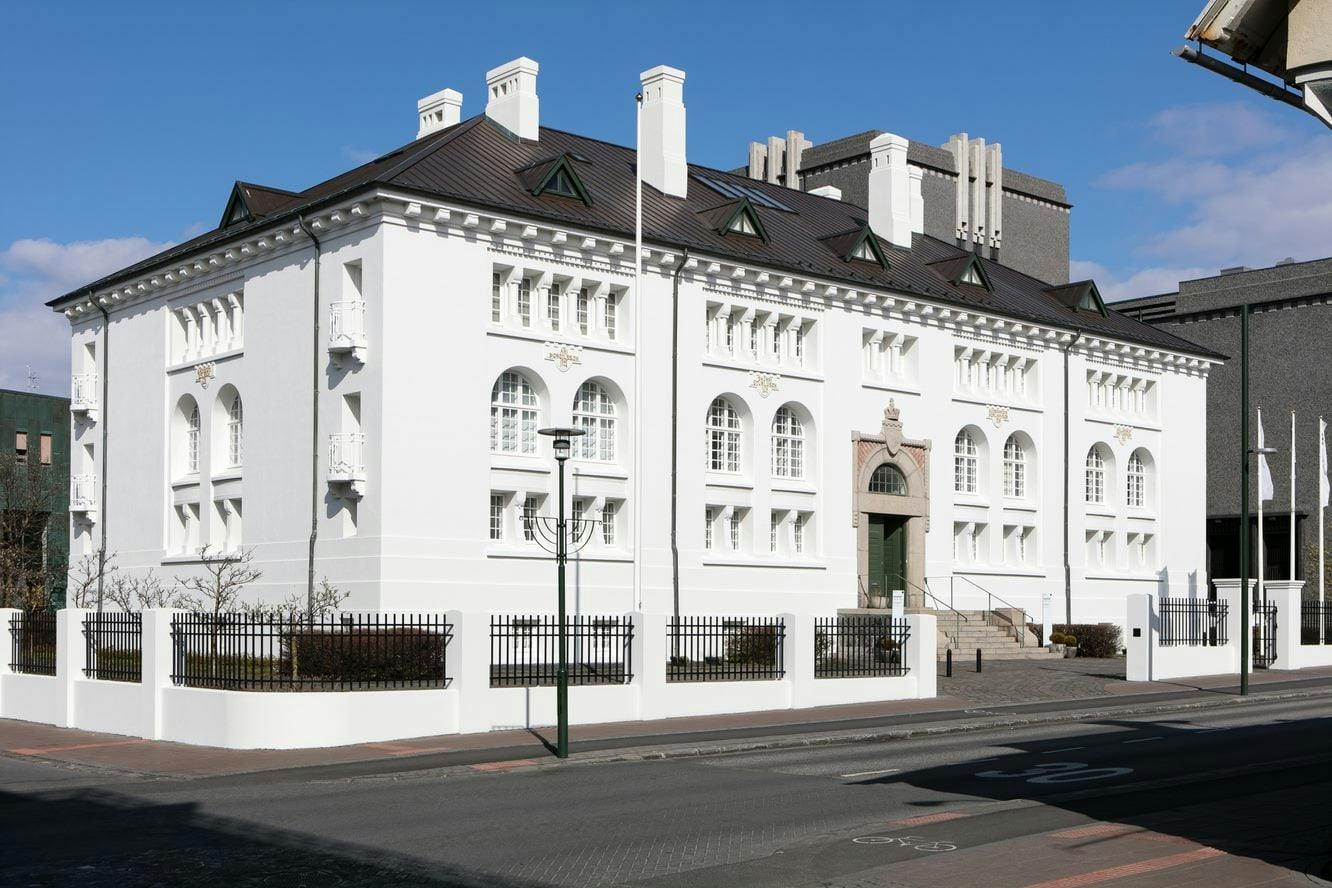
On November 11th 1952 Ásgrímur Jónsson announced to the Icelandic Ministry of Education and Culture his decision to bequeath all his earthly possessions to the Icelandic State after his death. Jónsson´s will, signed March 30th, 1953, states that all works of art in his keeping, his studio home at Bergstaðastræti 74, Reykjavík, the bulk of his furniture as well as all monies will accrue to the Icelandic State after his death. The will also stipulates that the artist´s collection of art be preserved in his studio home until such time that a new museum of art will be built, where his bequest might be displayed to its full advantage. Jónsson died five years later, in April 1958, at which time his bequest was formally handed over to the Icelandic State. Shortly afterwards, documentation of the bequest was formally initiated and a storage space was built to house it. Jón Jónsson, the artist´s brother, and Bjarnveig Bjarnadóttir, the first keeper of the collection, were entrusted with this task. They were assisted by two eminent painters, Gunnlaugur Scheving and Jón Þorleifsson. The documentation eventually revealed the size of the bequest, over six hundred oils and watercolours, finished work as well as unfinished, more than one thousand drawings and 150 sketchbooks. Later on more works, mostly drawings, were to appear. In the spring of 1959, 172 works from the bequest were exhibited in the National Gallery of Iceland. As requested by Jónsson, his bequest was preserved in his Bergstaðastræti studio home, which was formally opened to the public on November 5th 1960. The studio home functioned as an independent museum, the Ásgrímur Jónsson Collection, until the end of 1987, when it was merged with the National Gallery of Iceland, which by then was moving into its new premises. From the time of Jónsson´s death until the merger with the National Gallery thirty years later, the Collection did much to exhibit and promote his work. From 1958 to 1977 it was also instrumental in having over a hundred oils and watercolours professionally restored in Copenhagen. When Jónsson put his signature to his will, the National Gallery of Iceland had just moved into its first premises, at Suðurgata, which it shared with the National Museum. At that time, the prospect of the National Gallery occupying a building of its own must have seemed fairly remote, which makes all the more remarkable Jónsson insistence that his bequest be eventually merged with the National Gallery. By doing so, he was in effect putting a subtle pressure on the authorities to provide the national art collection with a building commensurate with its needs. When the Ásgrímur Jónsson Collection finally merged with the National Gallery, it had established itself as an artistic venue of note. The building which housed the collection had also played an important role in the development of the visual arts in Iceland. It was a two-apartment house, built by Jónsson and painter Jón Stefánsson in 1928 from drawings by Sigurður Guðmundsson, one of Iceland´s earliest Modernist architects. Included in Jónsson´s studio home are also rare objects which form part of Iceland´s design history. At the merger, it was decided to turn the Ásgrímur Jónsson Collection into a separate department of the National Gallery. Works by Jónsson would be on show in the studio home as before, as well as forming an integral part of the collection in the new National Gallery building.
|