





 |

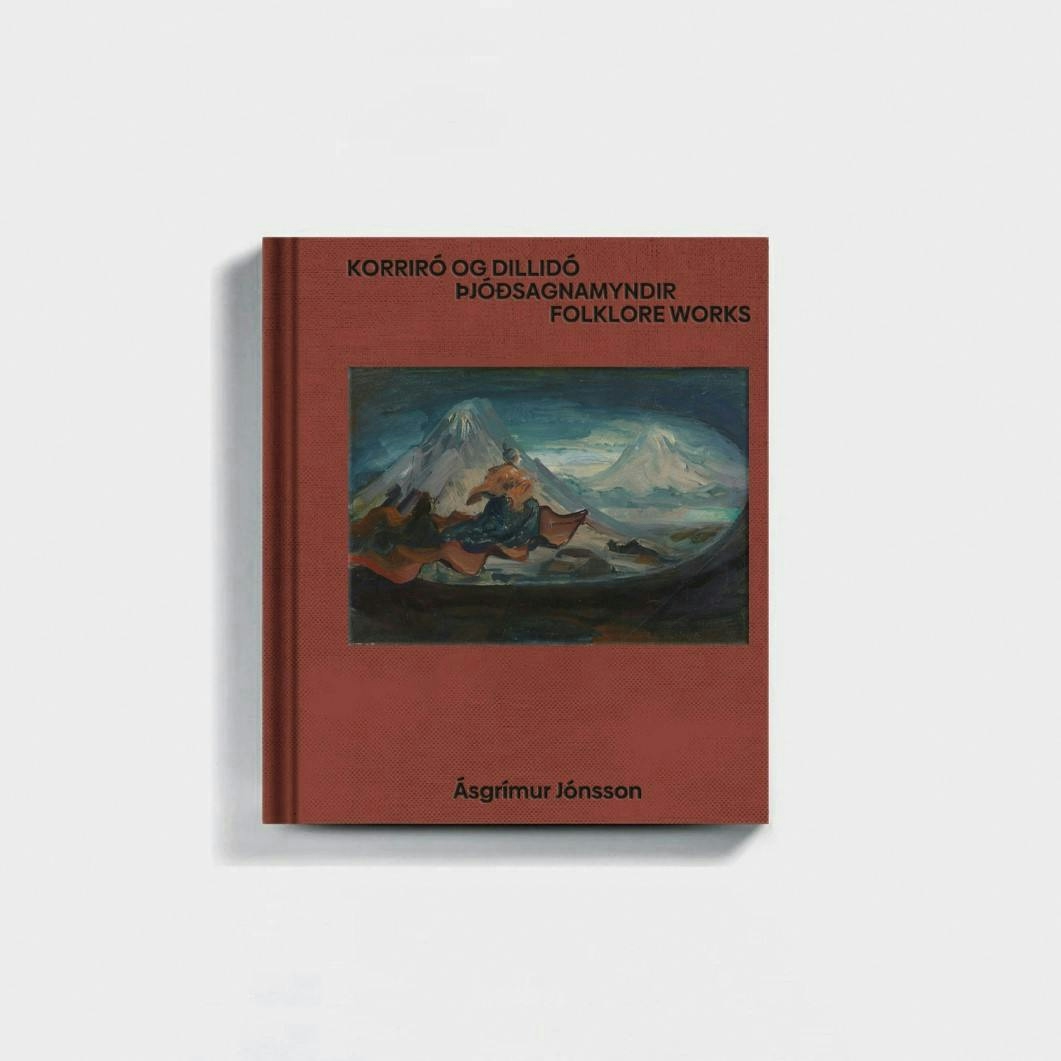
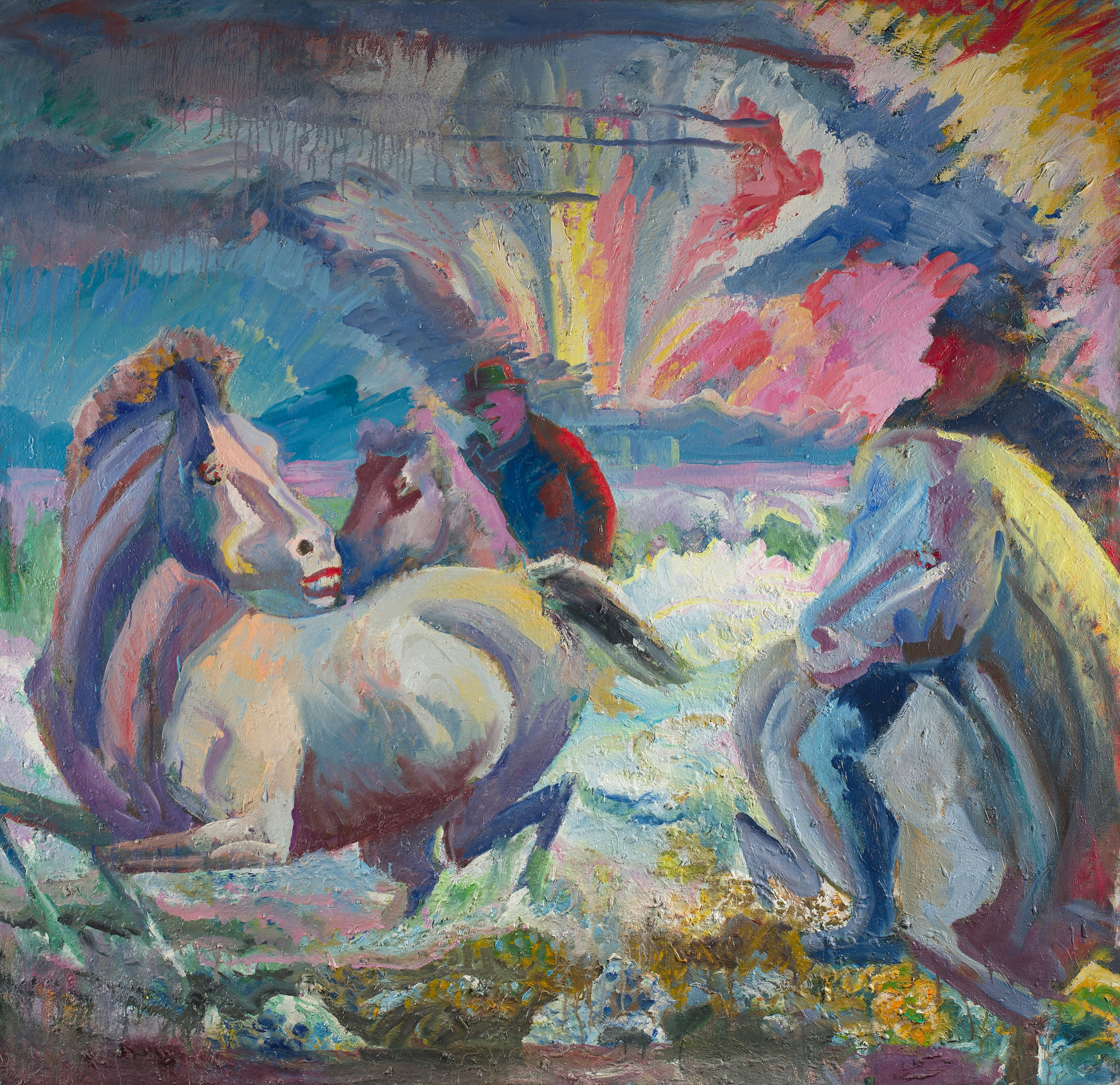
Ásgrímur Jónsson´s bequest was an inestimable addition to the National Gallery´s holdings. It included a large number of works from all periods of the artist´s sixty year career, a career of remarkable consistency and triumphs. One-man collections usually include many works that are unfinished and of uneven quality, and the Ásgrímur Jónsson Collection is no exception in that respect. It includes finished works, both signed and unsigned, as well as works that the artist had put aside and never succeeded in finding. There are also preparatory drawings and scetches, as well as studies that show the artist reworking old themes and motifs. And as expected, we have seminal works by the artist mingling with others that have been left permanently unfinished. The uneven quality of the holdings is a characteristic feature of one-man museums, as distinct from the general museums which are founded on a process of selection. Abroad, the most important one-man museums seldom include an artist´s best known works. Such works usually belong to the larger museums or to private collectors, and should they come on the market, they tend to be too expensive for the one-man museums to acquire. But in a one-man museum one frequently finds studies for the well-known works which the artist has sold to museums or collectors, as well as the works that were left behind in the process of putting together a show. A one-man museum will thus provide the necessary documentary background to an artist´s creative life. The Ásgrímur Jónsson Collection is in many ways a typical one-man museum. It includes relatively few works from the artist´s early-to-middle years, the period of his annual Easter shows which enjoyed great popularity, whereas it contains an abundance of works from his later years when he was loath to part with his work and had even begun to buy back some of his early oils and watercolours. Like other one-man museums the Ásgrímur Jónsson Collection contains a lot of background material relating to the artist´s best known works, material for studies rather than exhibition. Considering that Jónsson made a living from his art for more than half a century, he was able to hoard a remarkable number of quality pictures. The collection features a number of fine works from his very early career. The artist´s folktale-related paintings, watercolours and sketches do however comprise the major part of the collection. These works, very few of which were exhibited during the artist´s lifetime, often provide us with an unexpected insight into his thought processes, more so than most of the works that he actually did exhibit or sell. They are arguably more psychologically incisive and mercurial than the bulk of his landscapes, and bear witness to the artist´s constant and deeply felt need for visual expression.
|